

Whether you’re crafting boutique vintages or producing at commercial scale, the difference between good wine and extraordinary wine lies in the details you can measure: pH balance, dissolved oxygen, tartaric acid levels, and countless other parameters that define quality and consistency.
Modern winemaking demands more than intuition and experience.
It requires analytical tools that deliver laboratory-grade accuracy in real-time, helping you make informed decisions at every stage, from grape to bottle.
Because in today’s competitive market precision isn’t an optional, it’s essential.
In grapes, potassium plays an important role in determining the pH of the juice and the stability of the finished wine: When the potassium content in the grapes increases, tartaric acid combines with the potassium ions to form potassium tartrate.
Before fermentation, total nitrogen (in the form of ammonia and amino acids) in the must is typically measured to ensure an adequate concentration of yeast-available nitrogen (YAN) for efficient fermentation. Any ammonia not consumed by the yeast during fermentation remains in the finished wine. Ammonia in wine can impair the flavor and microbial stability of the final product. Typical concentrations for ammonia in finished wine range from 3–50 mg/L.
Micro- and macroelements in wine are involved in very important physicochemical processes such as wine stabilization, catalysis, and the regulation of oxidation-reduction processes. They can have a negative impact on wine quality, manifesting, for example, in the deposition of tartar, wine oxidation, the appearance of cloudiness, and much more.
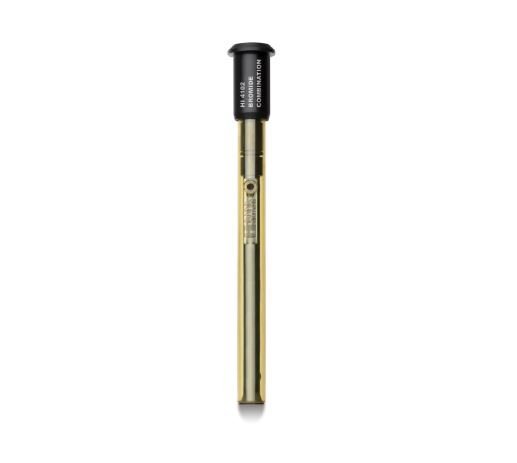
The HI4102 bromide ion-selective electrode is a complete potentiometric cell that contains a silver/silver chloride (Ag/AgCl) reference housed within a PEI plastic body with a potassium nitrate elec...
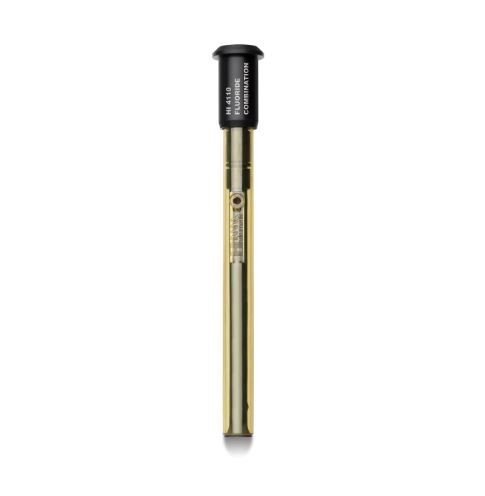
The HI4110 fluoride selective electrode is a complete potentiometric cell that contains a silver/silver chloride (Ag/AgCl) reference housed within a PEI/epoxy body with a potassium nitrate/potassium c...
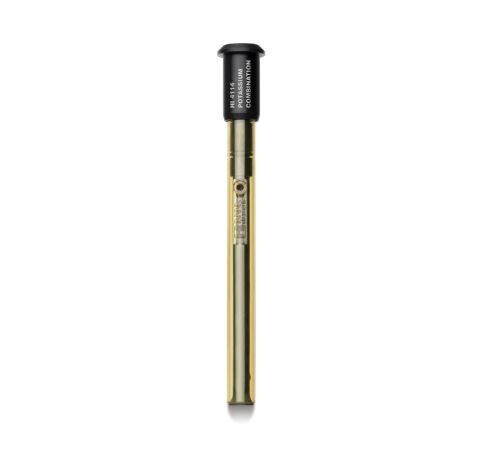
The HI4114 potassium ion selective electrode is a complete potentiometric cell that contains a silver/silver chloride (Ag/AgCl) reference housed within a PEI plastic body with a sodium chloride electr...
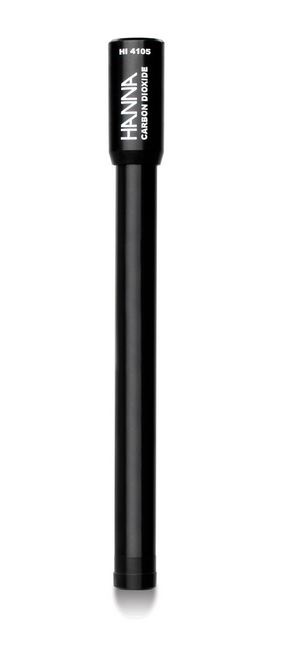
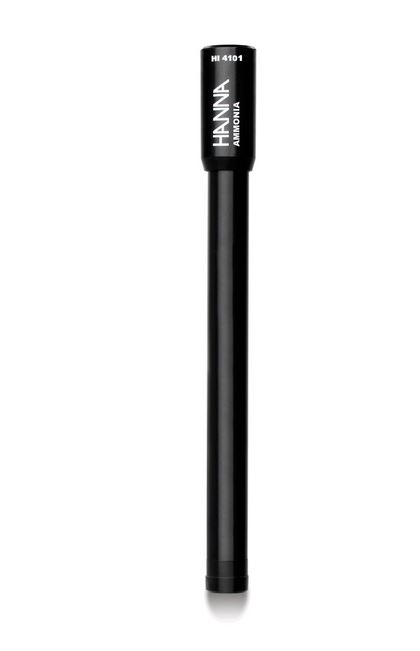
The HI4101 ammonia ion-selective electrode is a complete potentiometric cell that contains both a silver/silver chloride (Ag/AgCl) reference and a pH measurement element. These elements are housed wit...
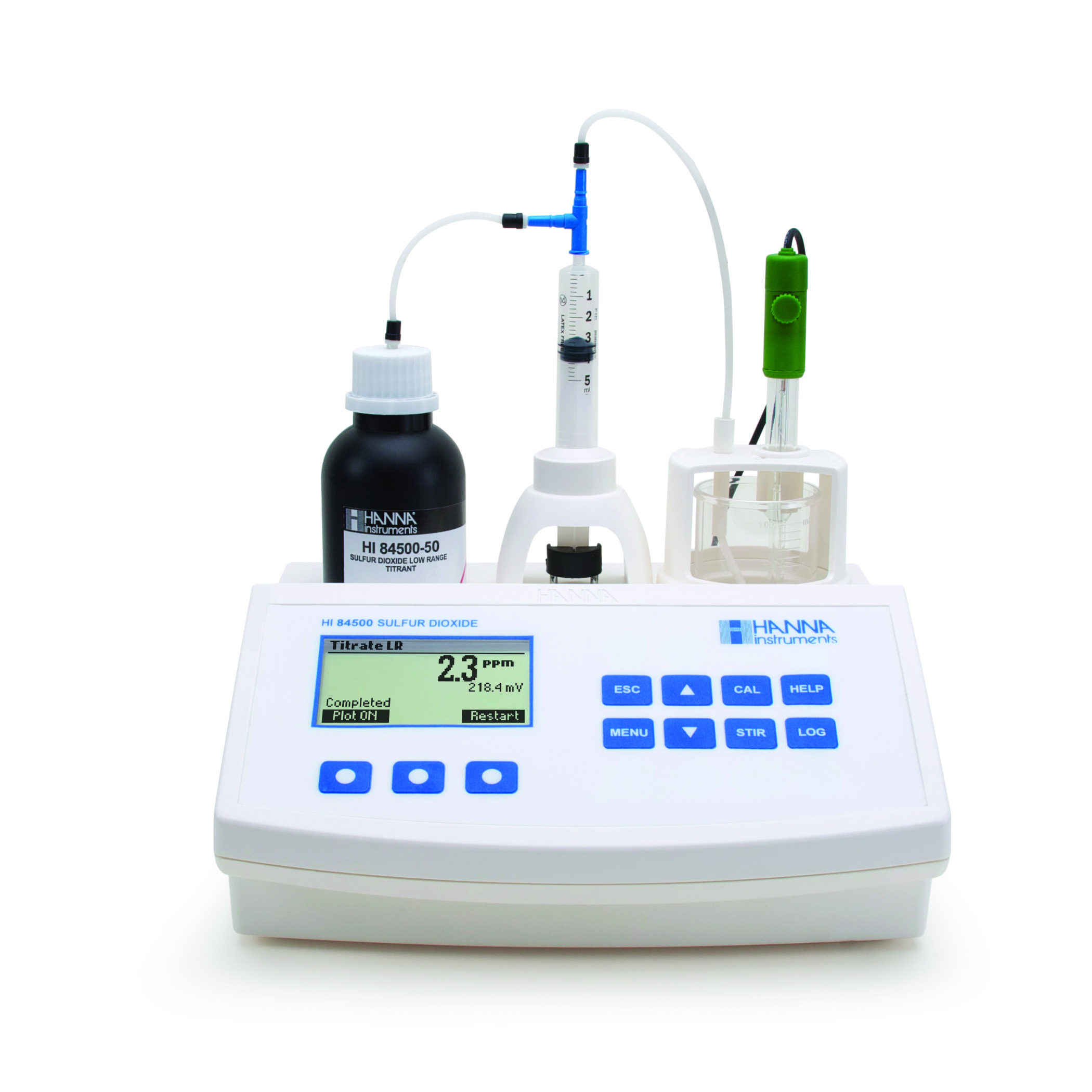
In addition to these critical parameters for wine,
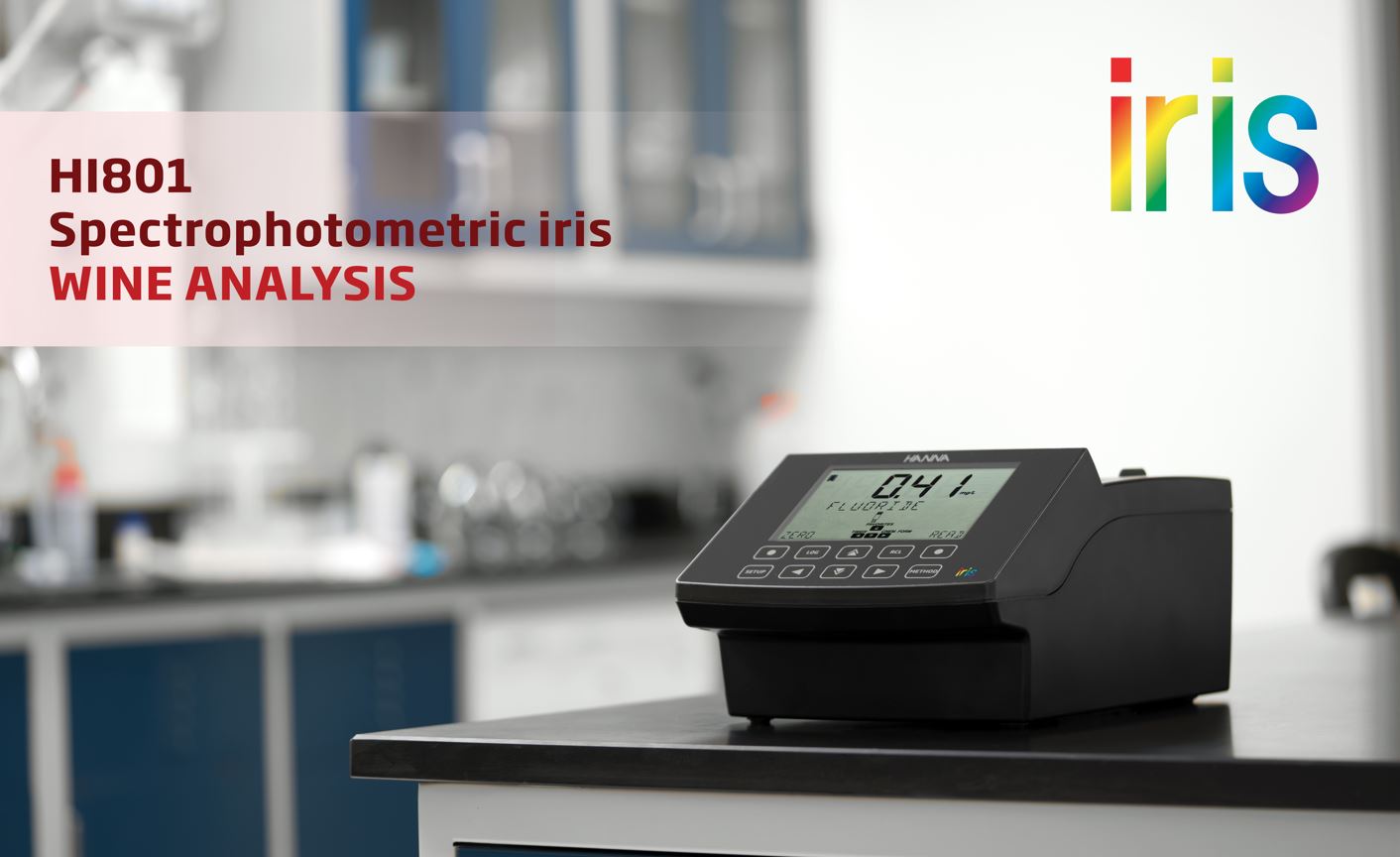
Iris is pre-programmed with 85 different tests.
A complete package.
Create your own special wine set!
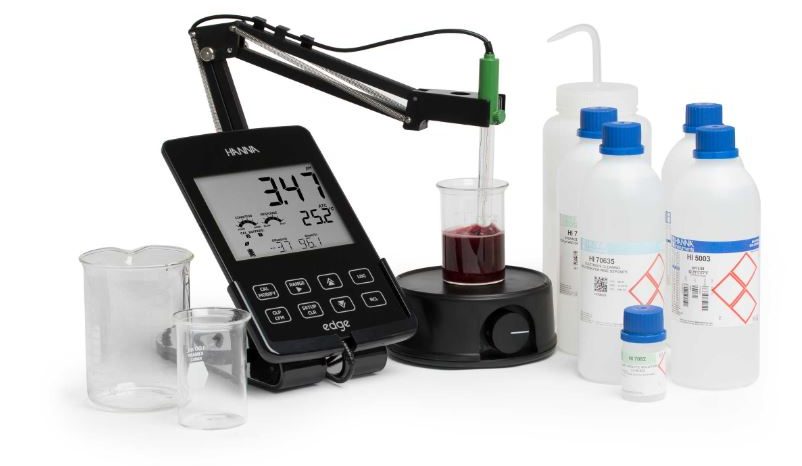
Edge’s slim profile and 8-hour battery make it easy to transport around your wine cellar, while its compact table mount optimally sets up your wine laboratory.
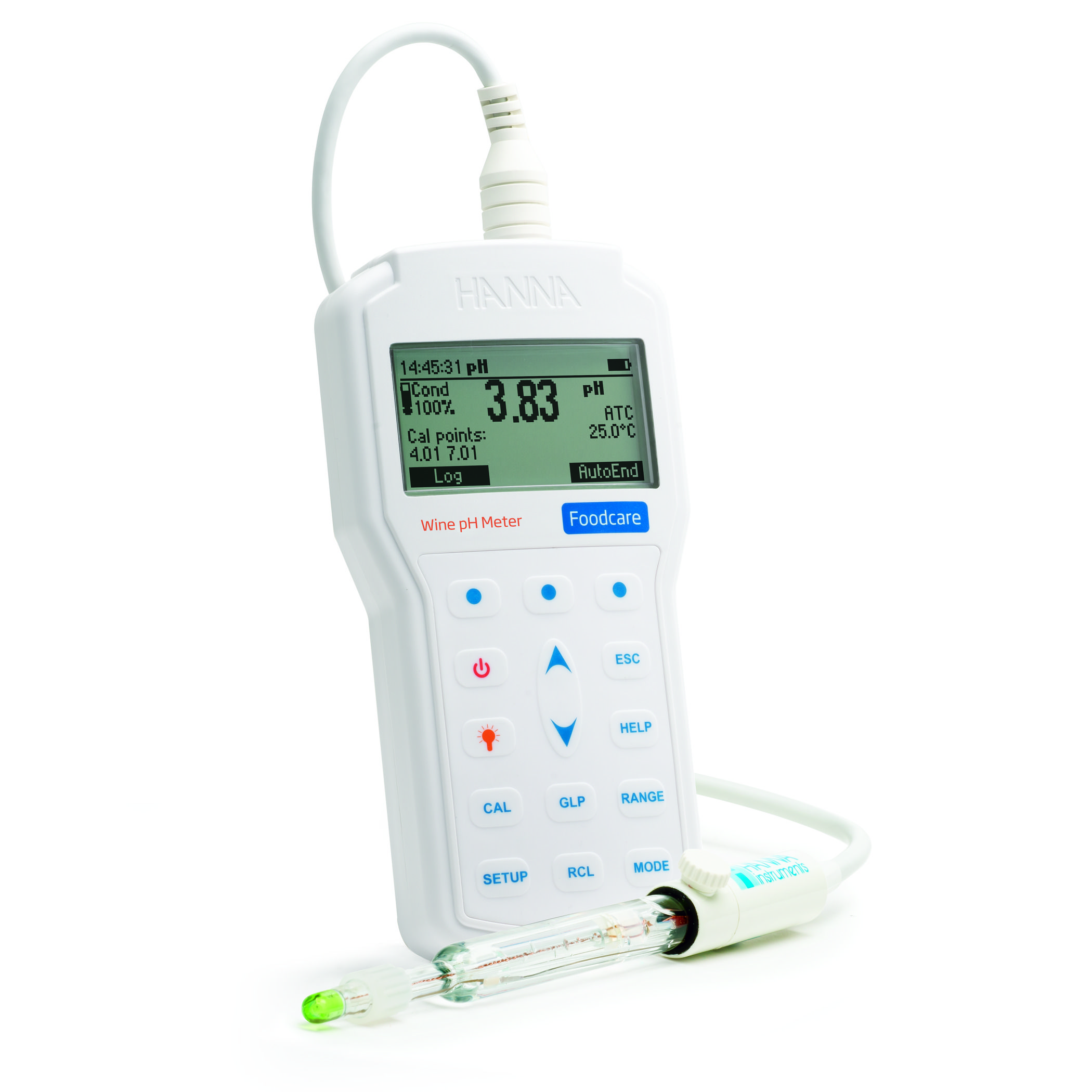
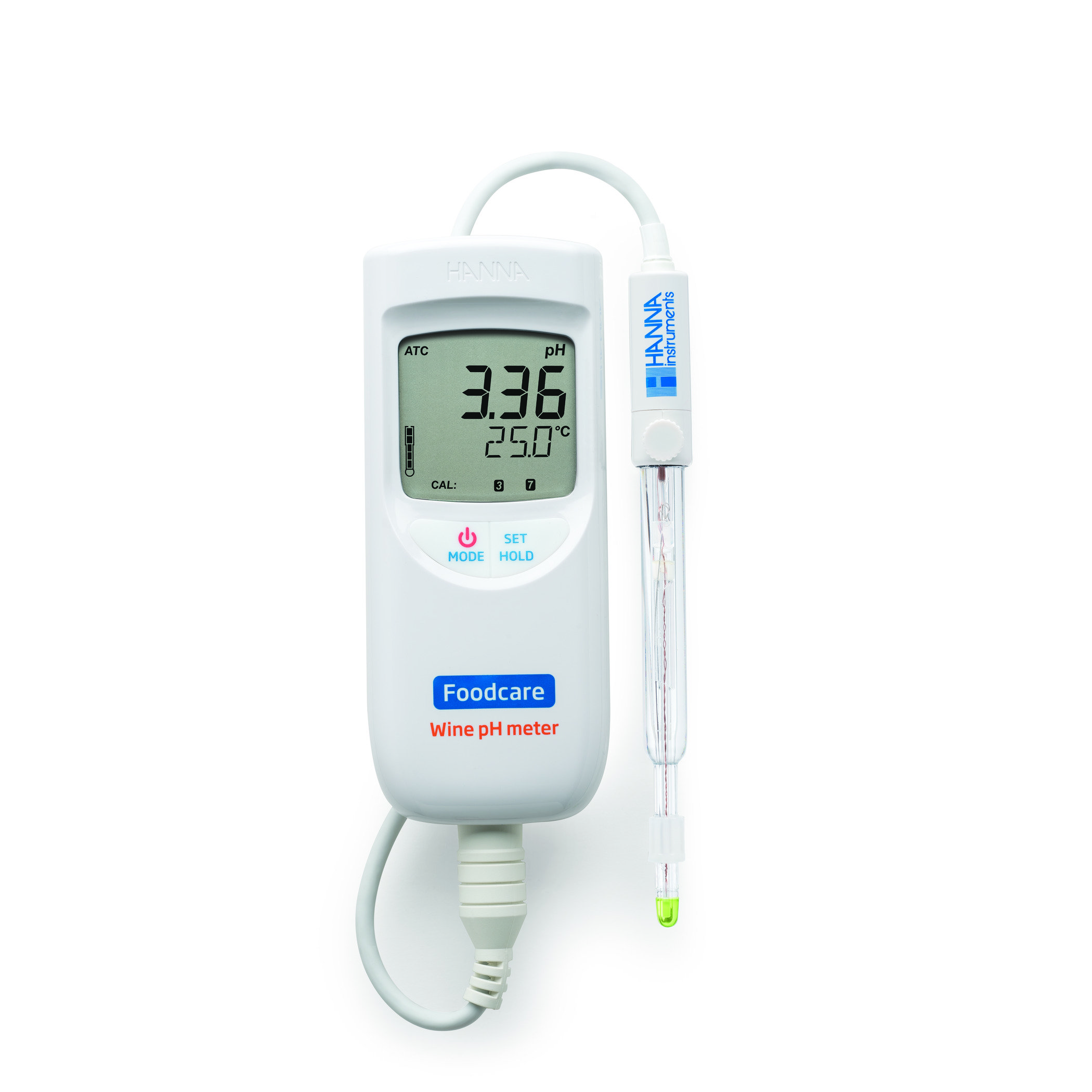
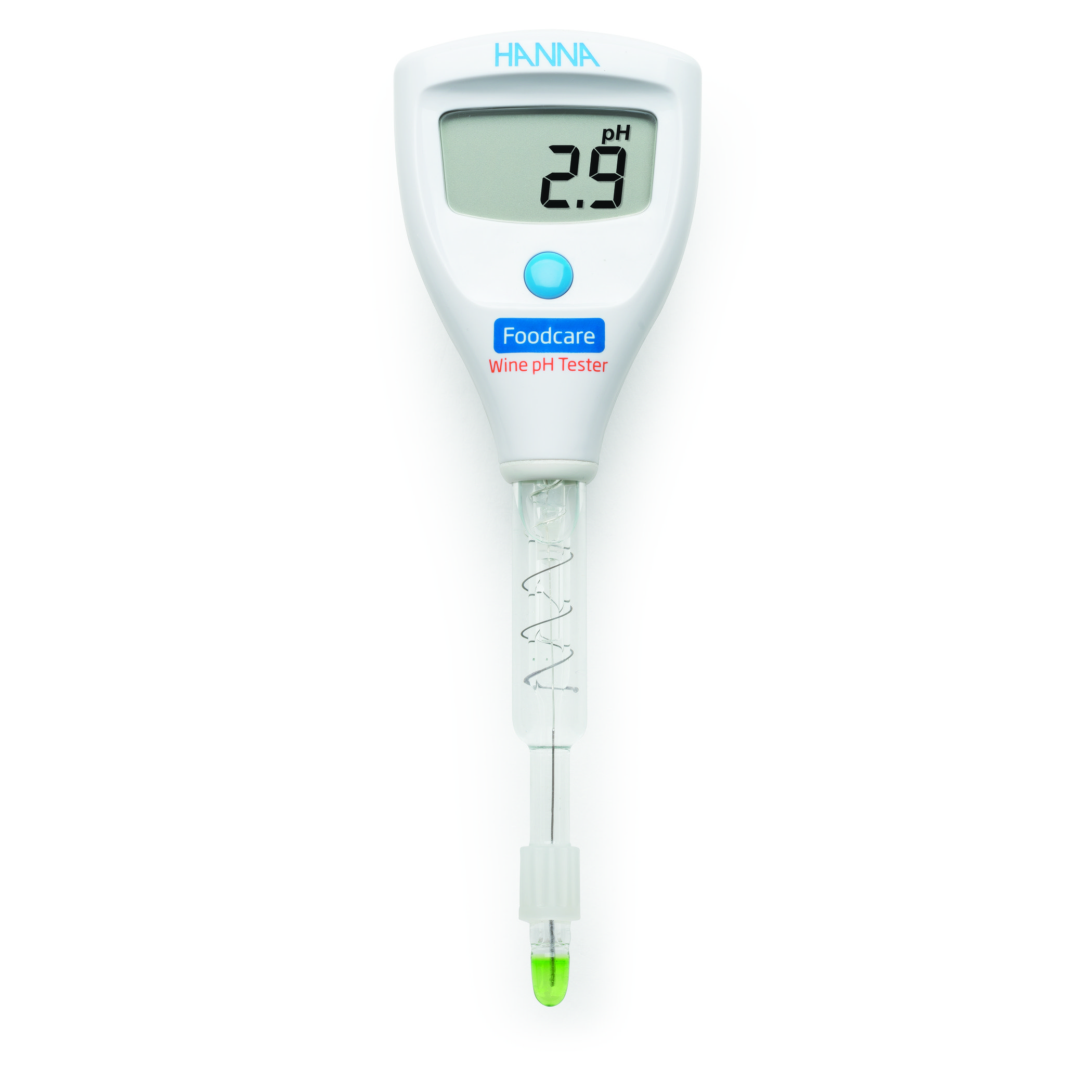
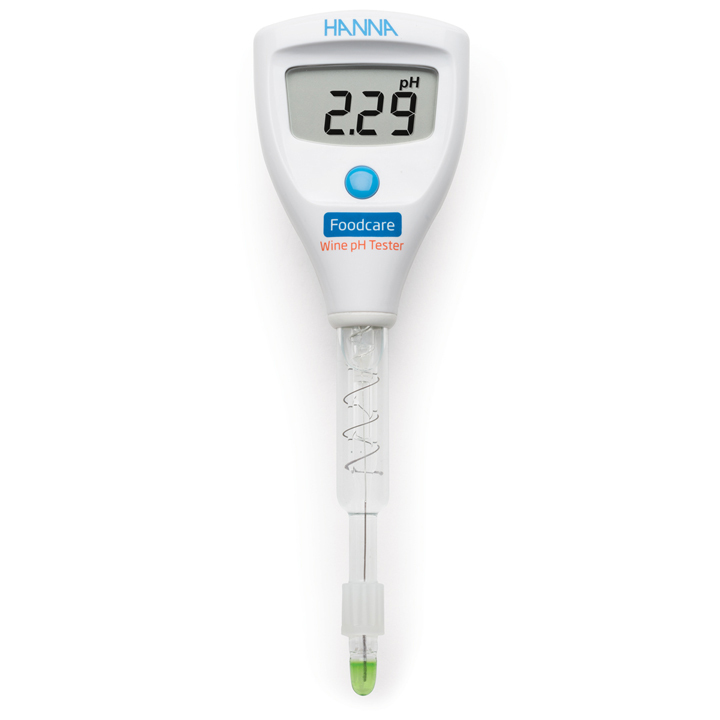
Add everything you need for accurate wine analysis, including buffers, solutions, stirrers, a meter, and a special wine probe, and you can be sure you have all the tools you need to measure pH and more.
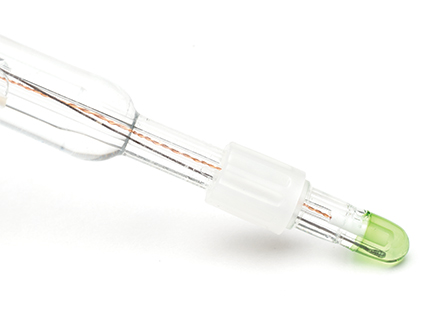
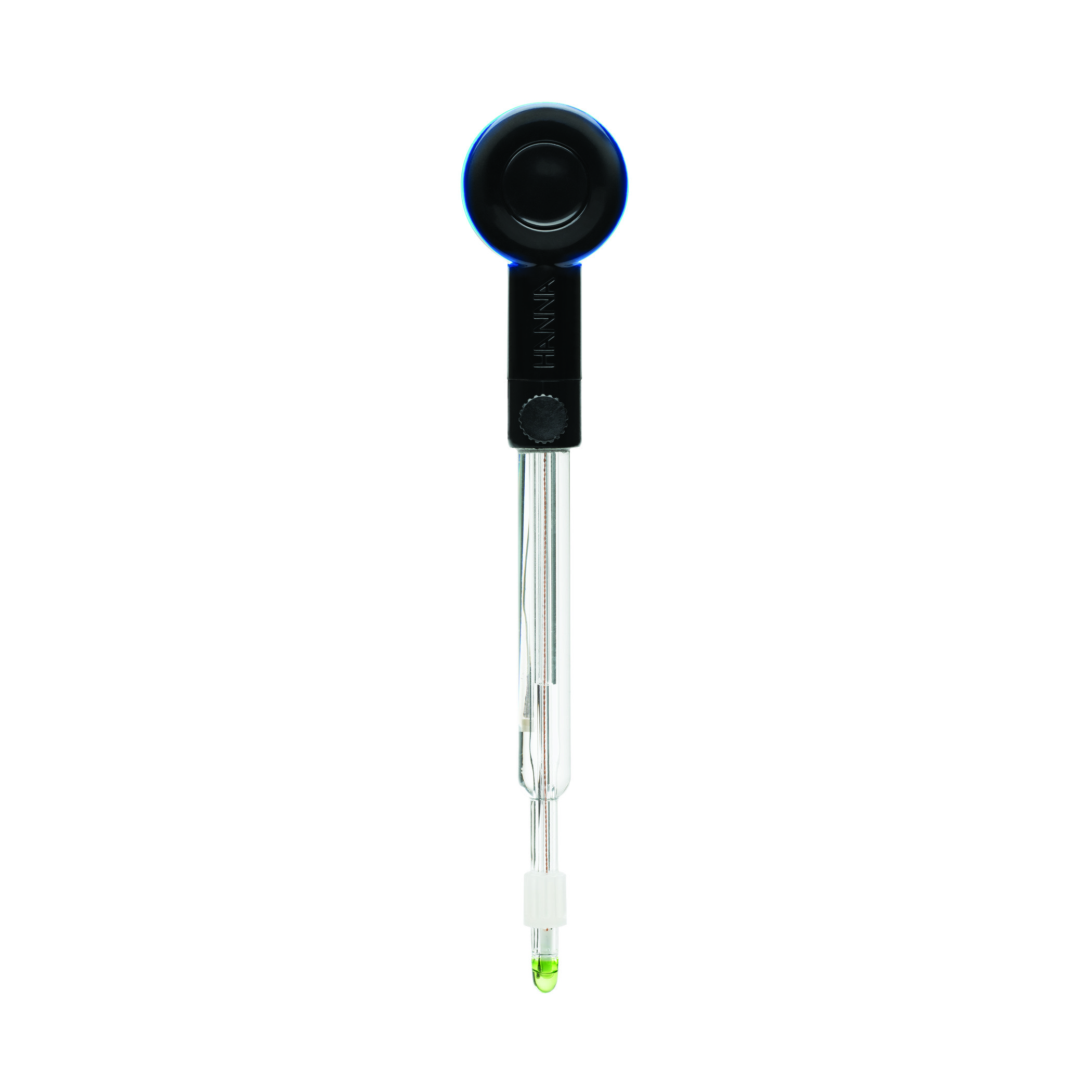
Hassle-free analysis with our special winemaking pH electrode, which resists clogging up to 20 times longer than standard electrodes.
Laboratory-quality pH measurements are easy and convenient with a wireless Bluetooth®5.0 meter paired with your Apple or Android device.
Upgrade to a wireless HALO2 pH testing experience for better quality.
Our HALO2 for home and hobby winemakers features a glass body, a spherical tip, and the Hanna Clogging Prevention System (CPS), which resists clogging 20 times longer. Measure pH and temperature directly with your smartphone or tablet.
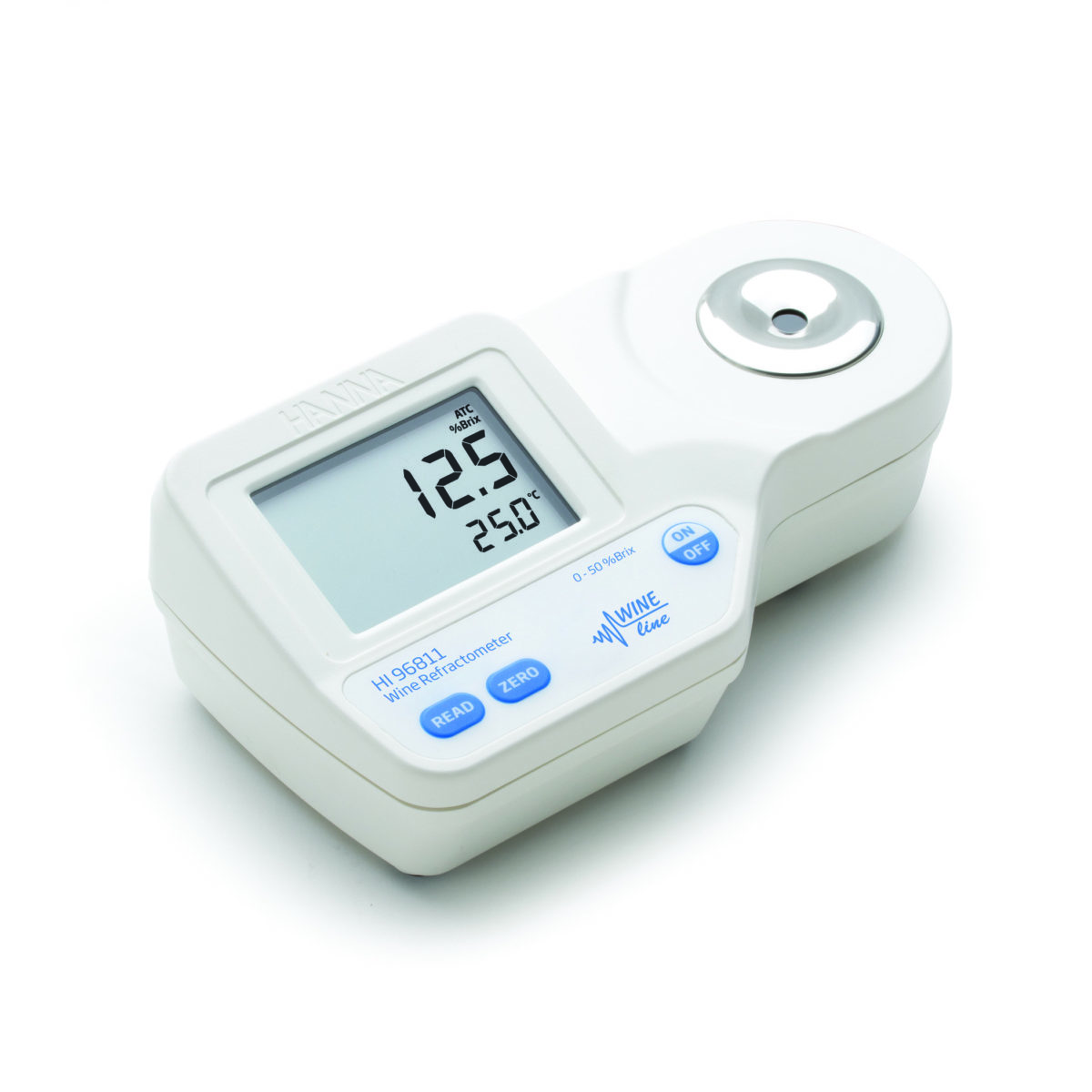
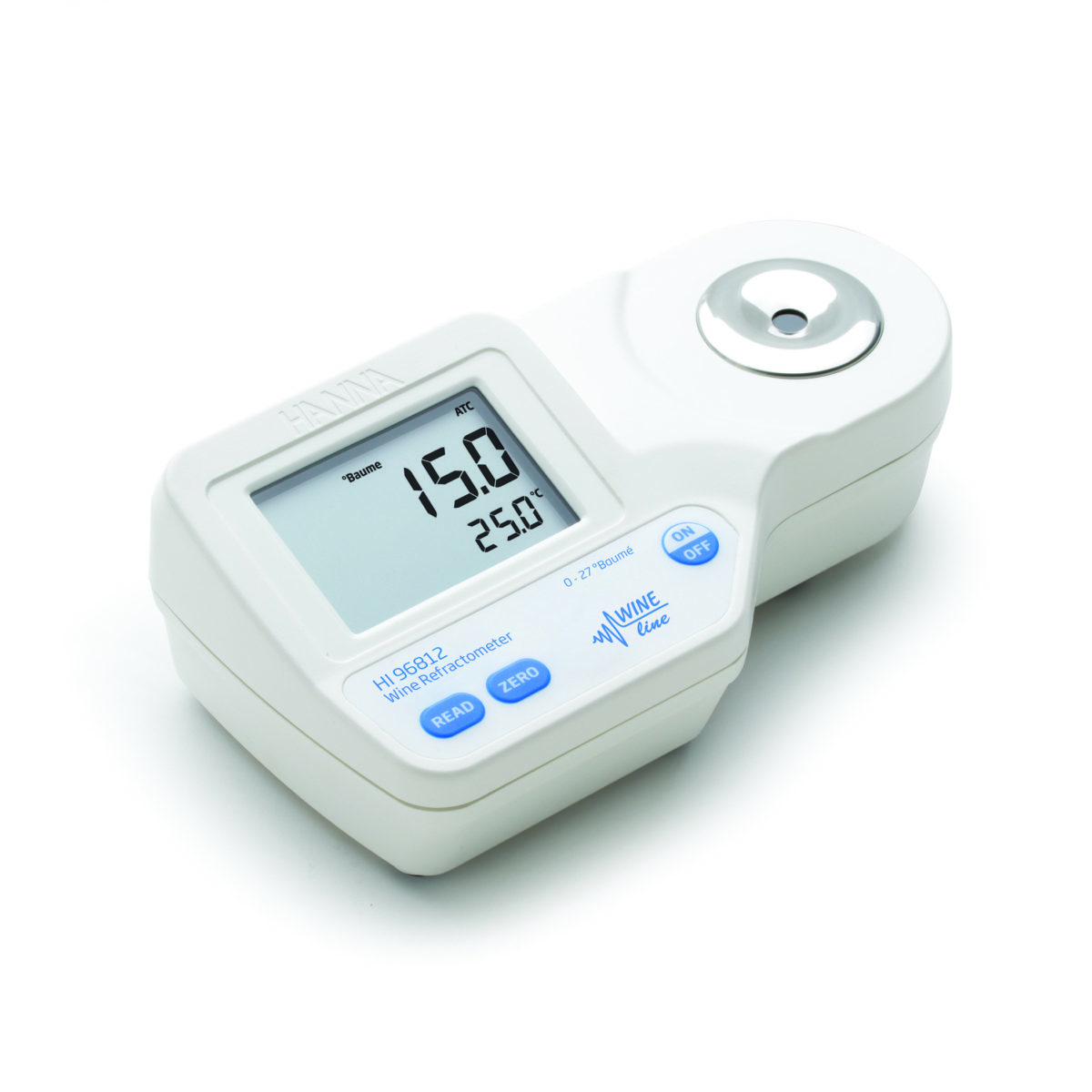
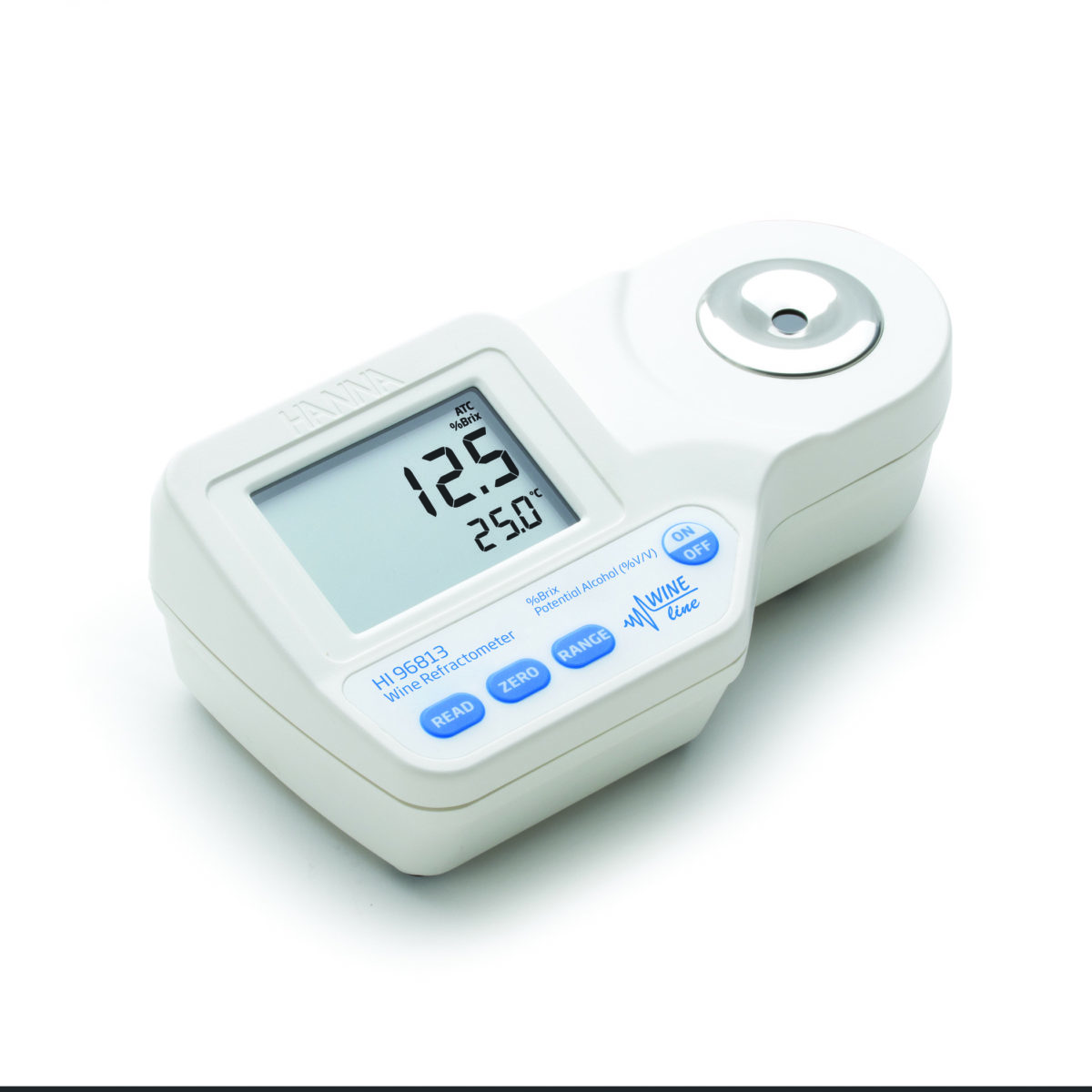
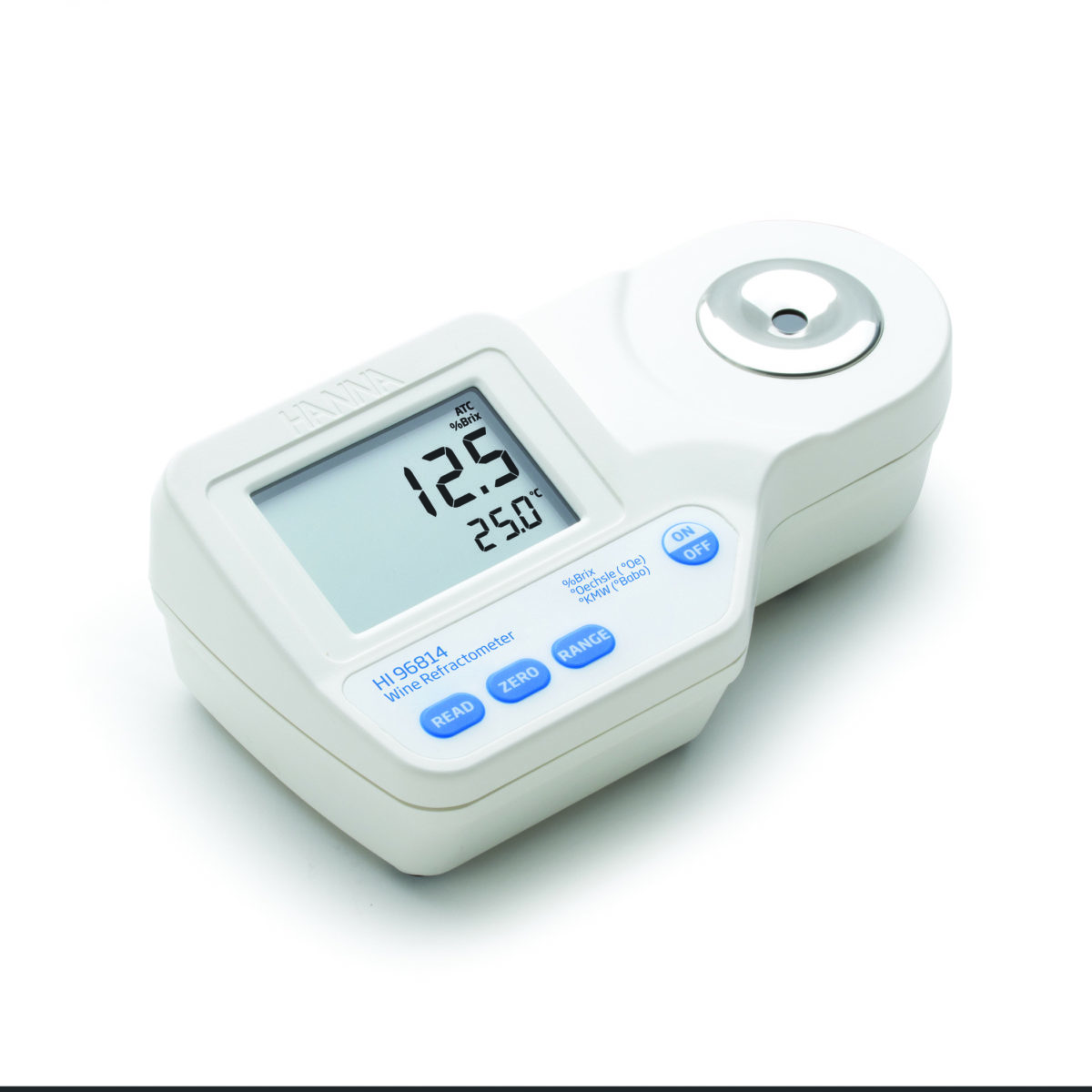
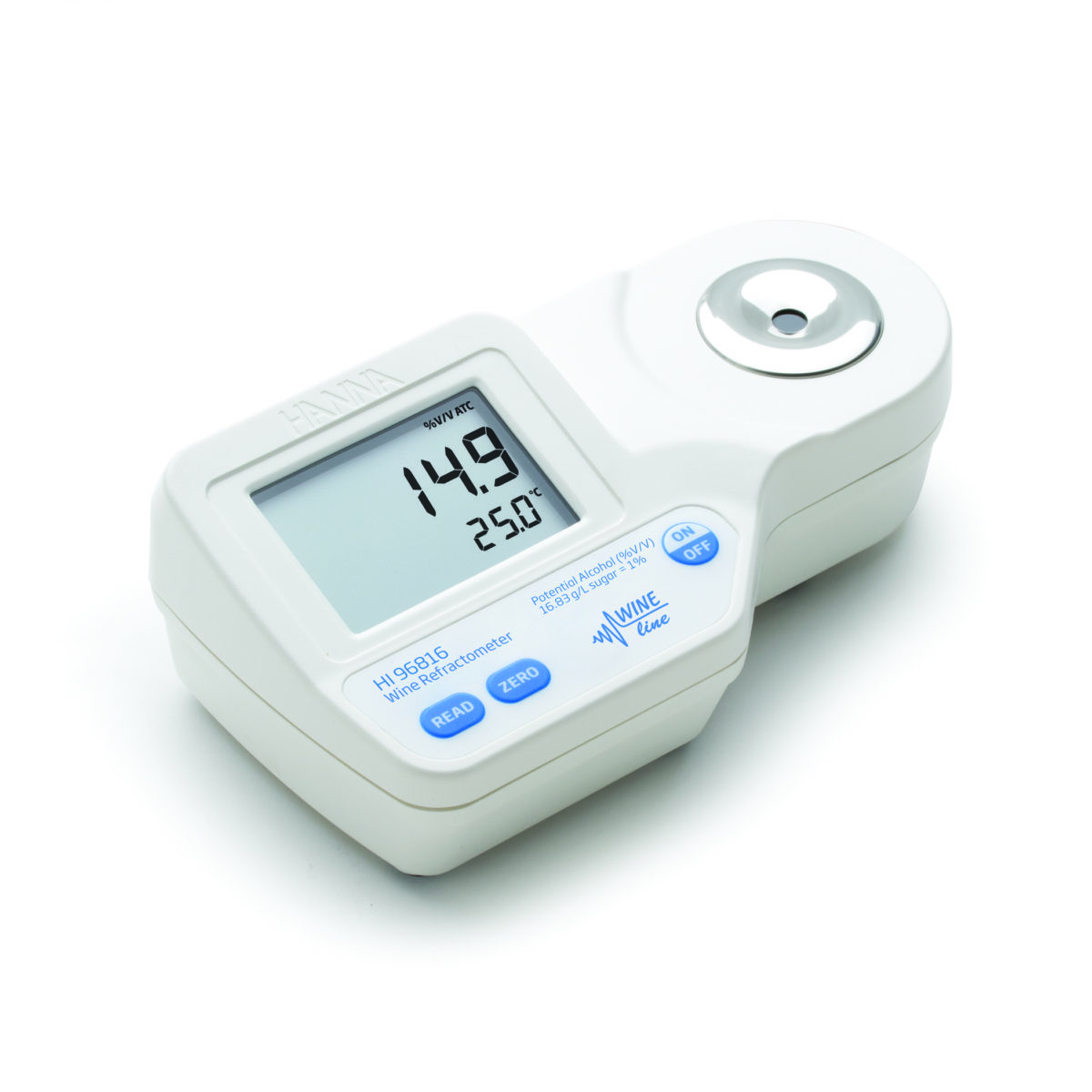
Digital refractometers for Brix analysis in must and juice
Hanna Instruments’ digital refractometers offer a simple way to measure the sugar content in grape juice or must. You only need one device, a small sample, and two seconds to measure your Brix level.
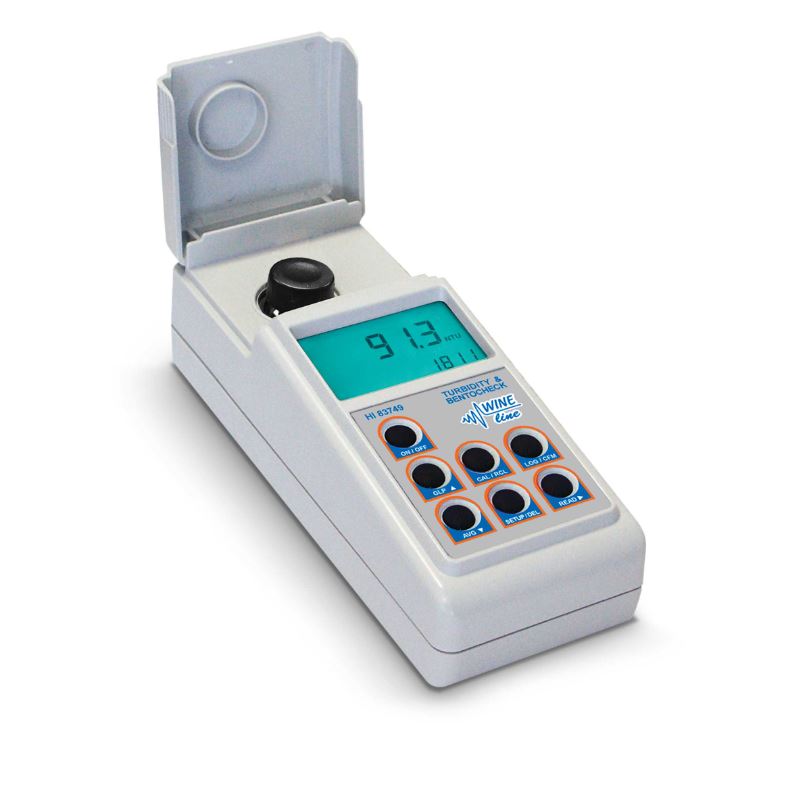
Our portable turbidity and bentonite tester offers a quick test to check for the risk of future protein turbidity, allowing you to determine the right amount of bentonite to add. This ensures you get the color and clarity you desire for a great wine every time.
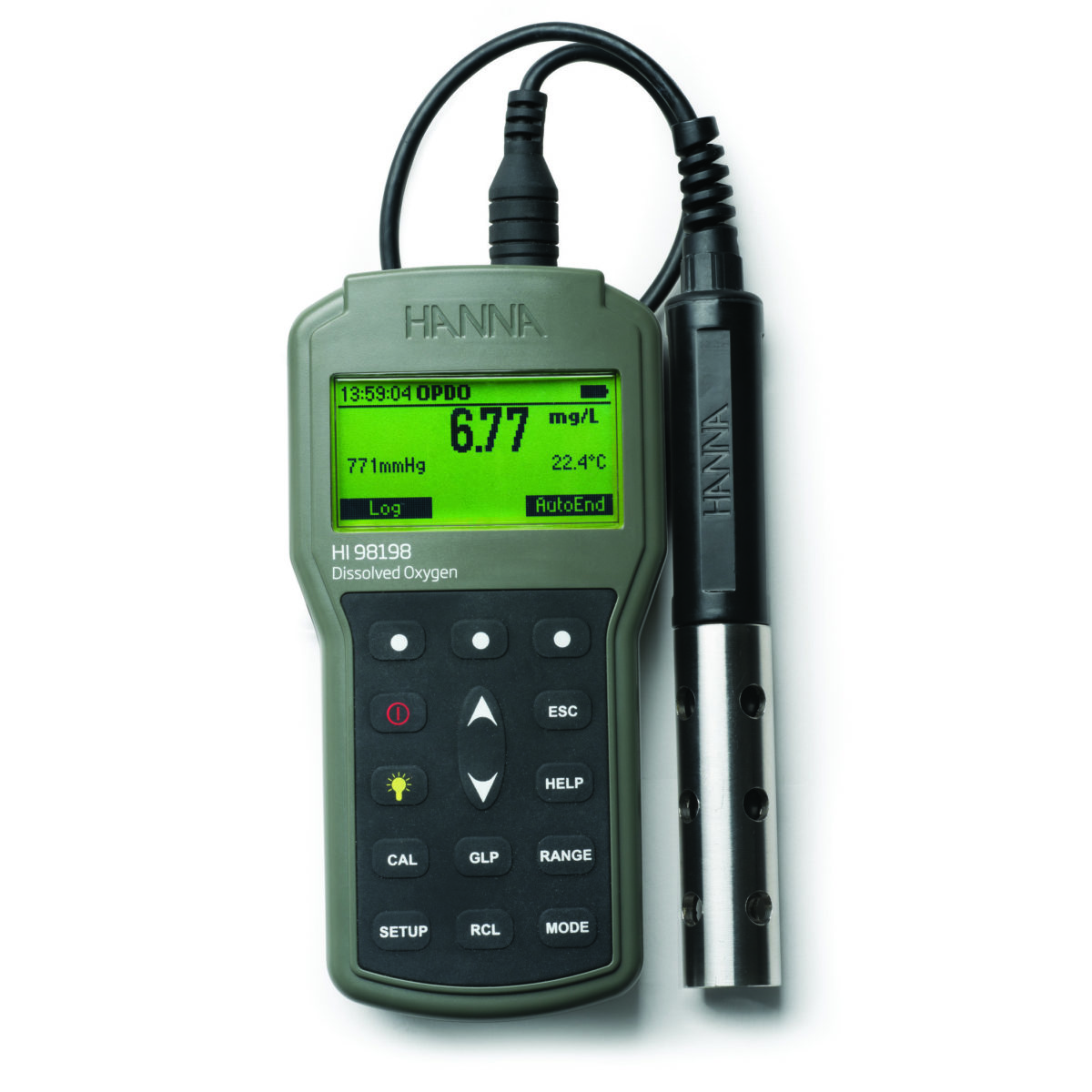
Consistently and accurately measure dissolved oxygen to achieve the right balance in your wine.
Whether reduced or alternatively oxidized, the flavor of wine can be dramatically affected by oxygen. Monitor oxygen levels to achieve timely and effective micro-oxidation and ensure consistent process control and equipment operation.
Low Battery Indicator The included batteries provide 500 hours of continuous use. When the battery level is below 10%, a warning symbol will blink to indicate low battery condition. When low battery p...
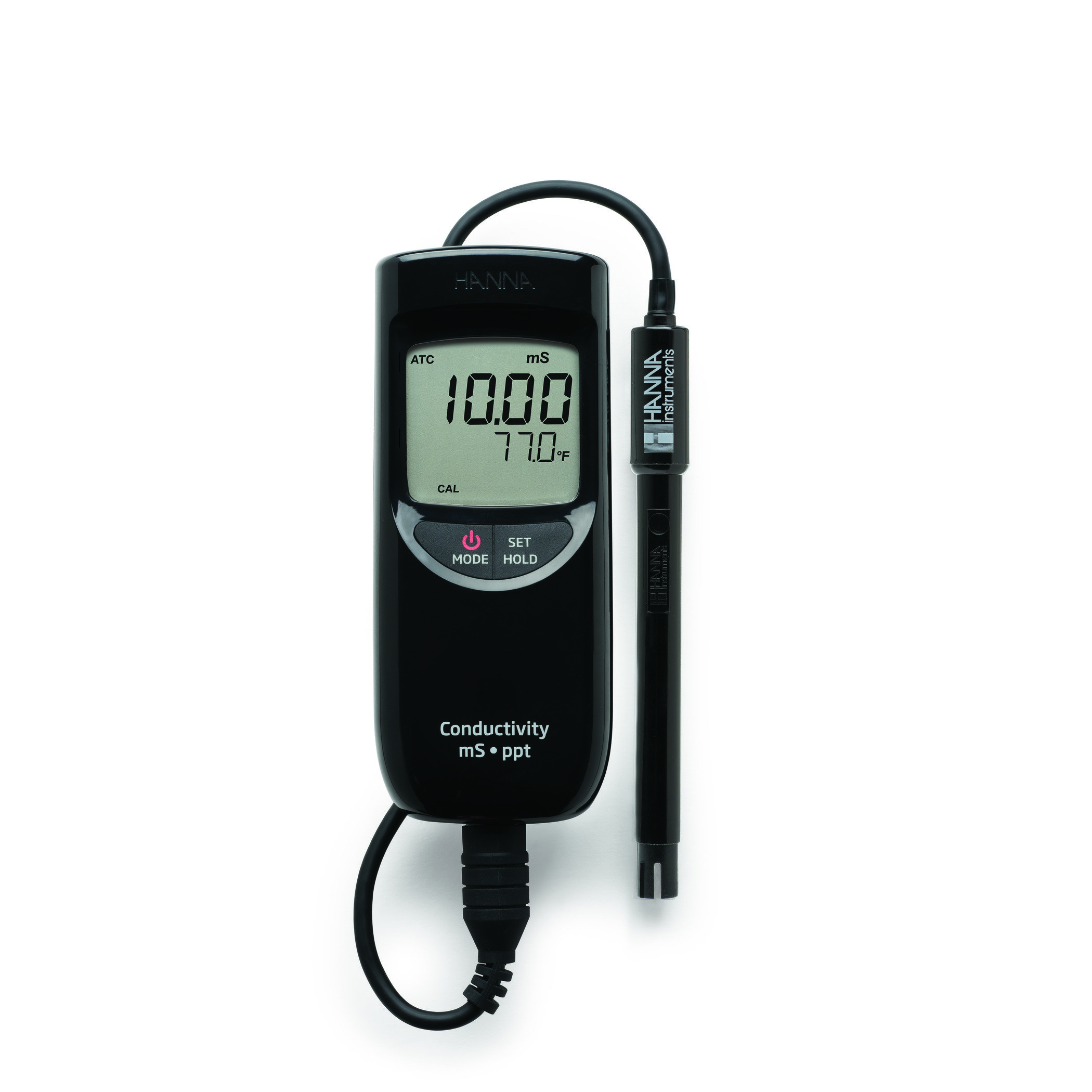
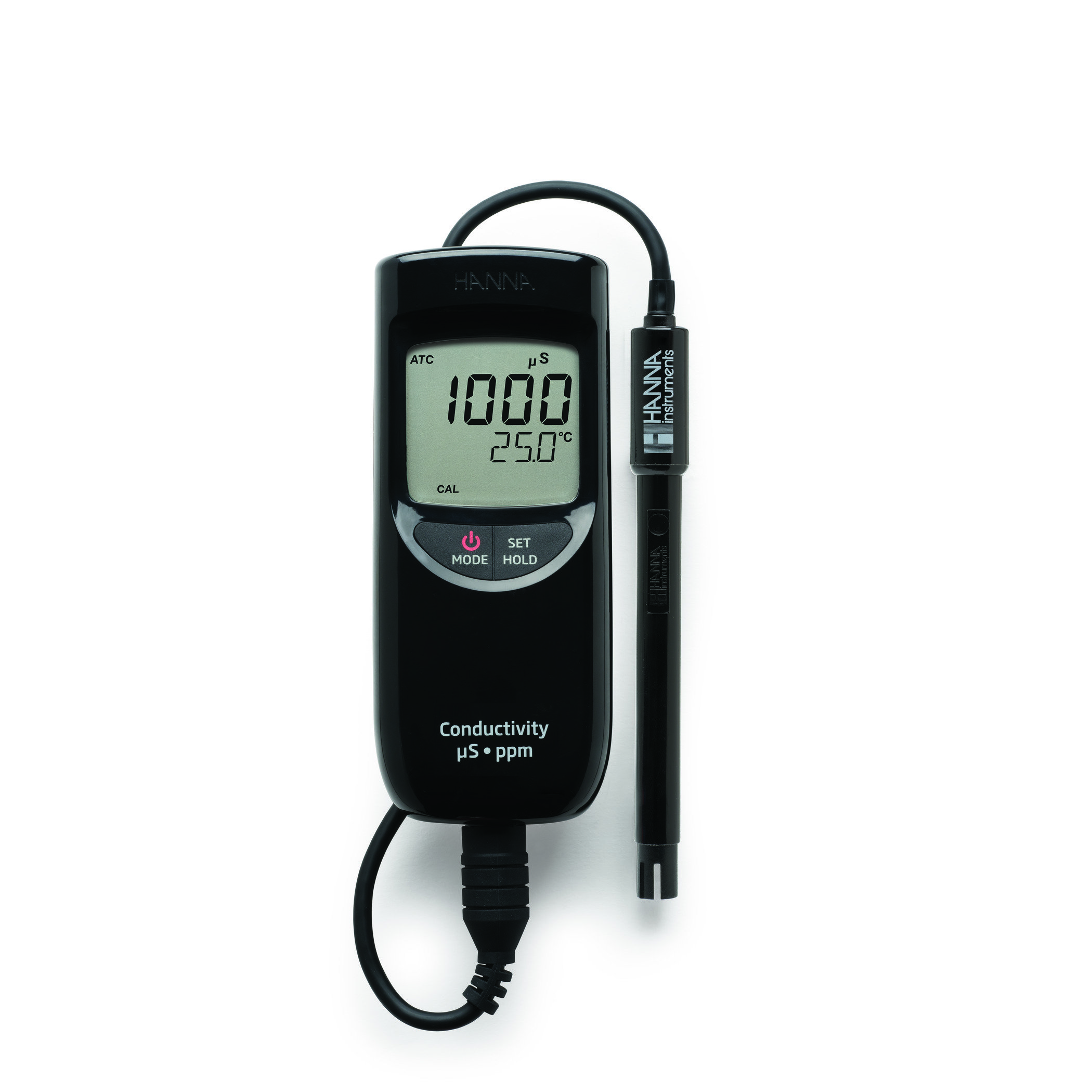
The portable, waterproof HI99301 EC/TDS and temperature meter is suitable for use in applications as diverse as wastewater treatment, reverse osmosis, and HVAC. It measures high range conductivity in ...
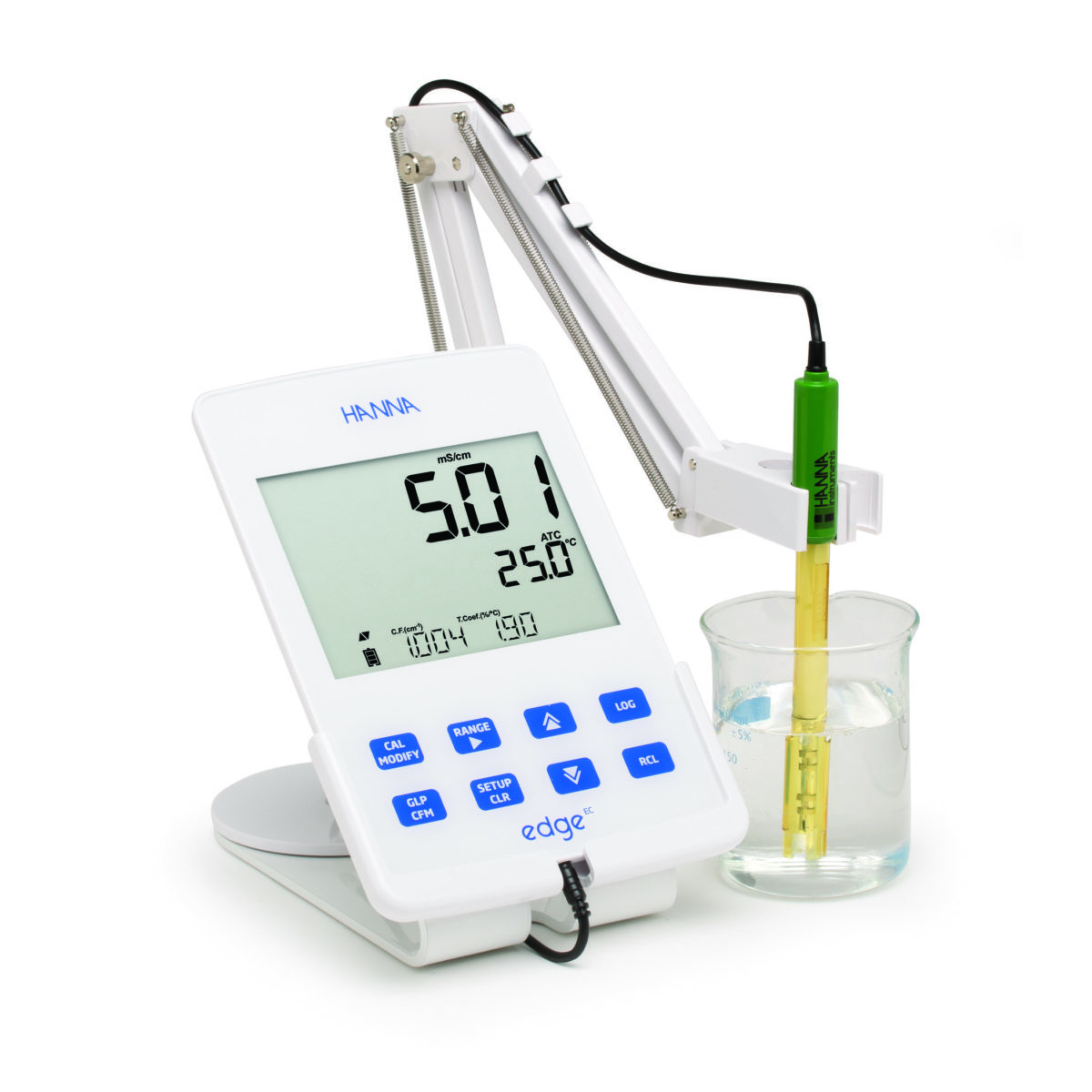
edge®EC—Innovation in a Single Parameter edge EC’s groundbreaking design is the culmination of Hanna’s vision, design capabilities, integrated production and world class R&D. edge EC is a single m...
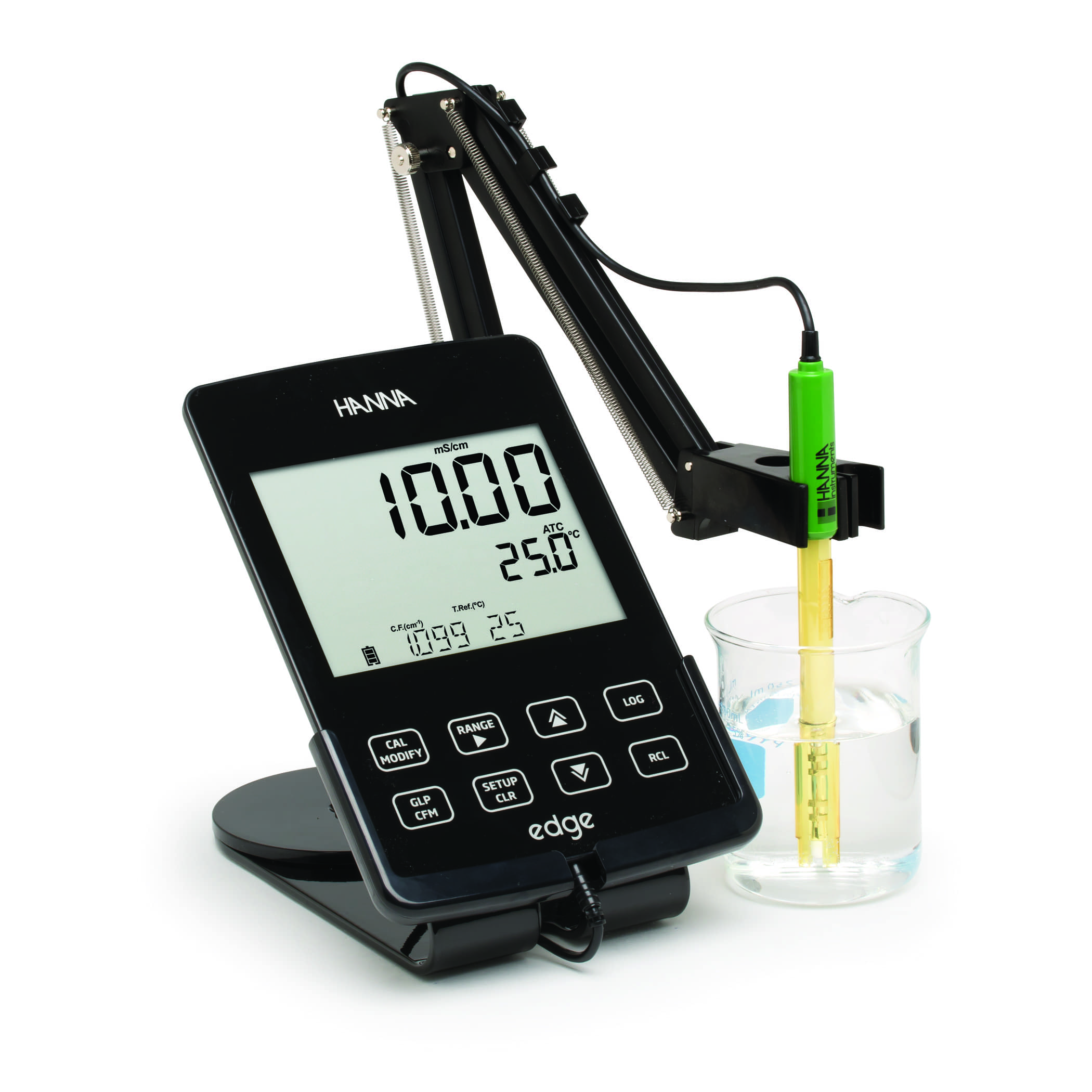
edge® is packed with many cutting edge features to ensure accuracy and usability. Digital Electrodes edge® electrodes are highly advanced, featuring a built-in microchip that stores calibration info...
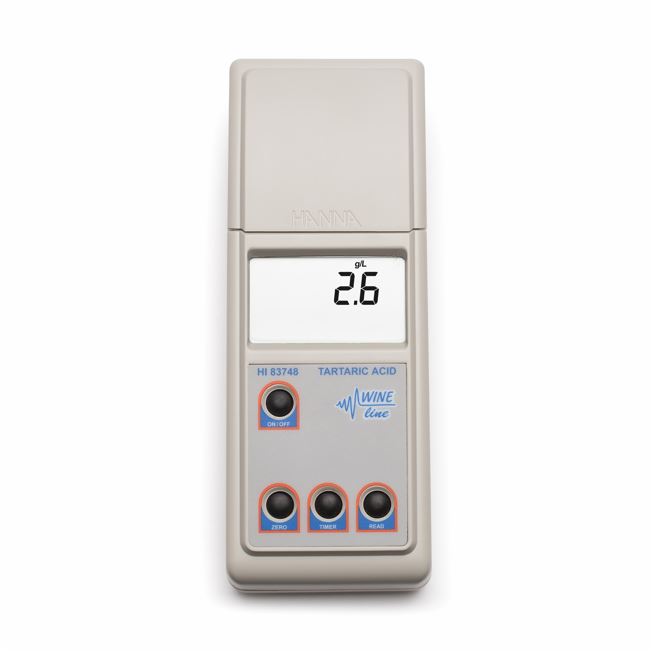
Portable meter for monitoring Turbidity and Bentonite in wine
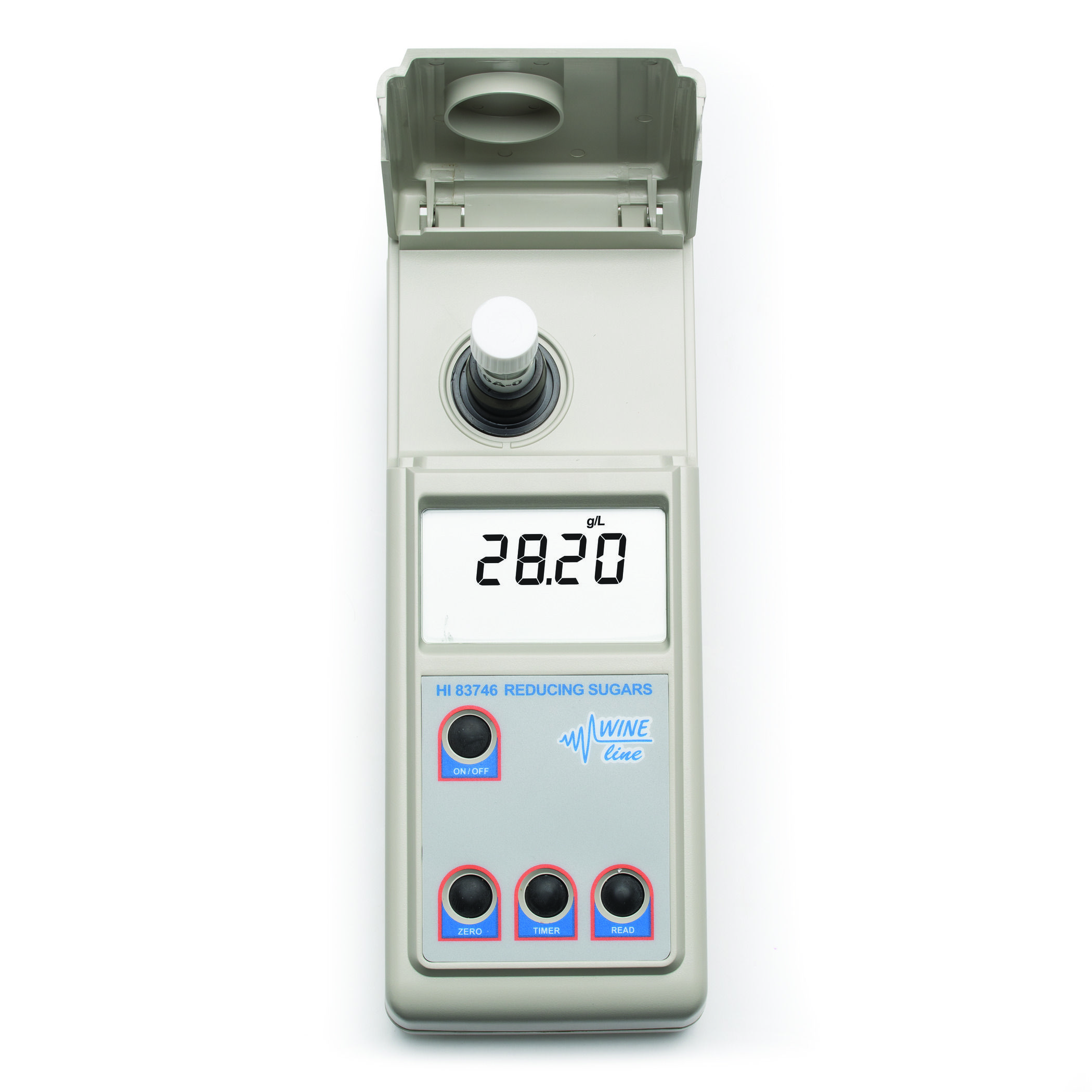
The HI83746 photometer is for the determination of reducing sugars in wine. Hanna's photometers feature an advanced optical system; the combination of a special tungsten lamp, a narrow band interferen...
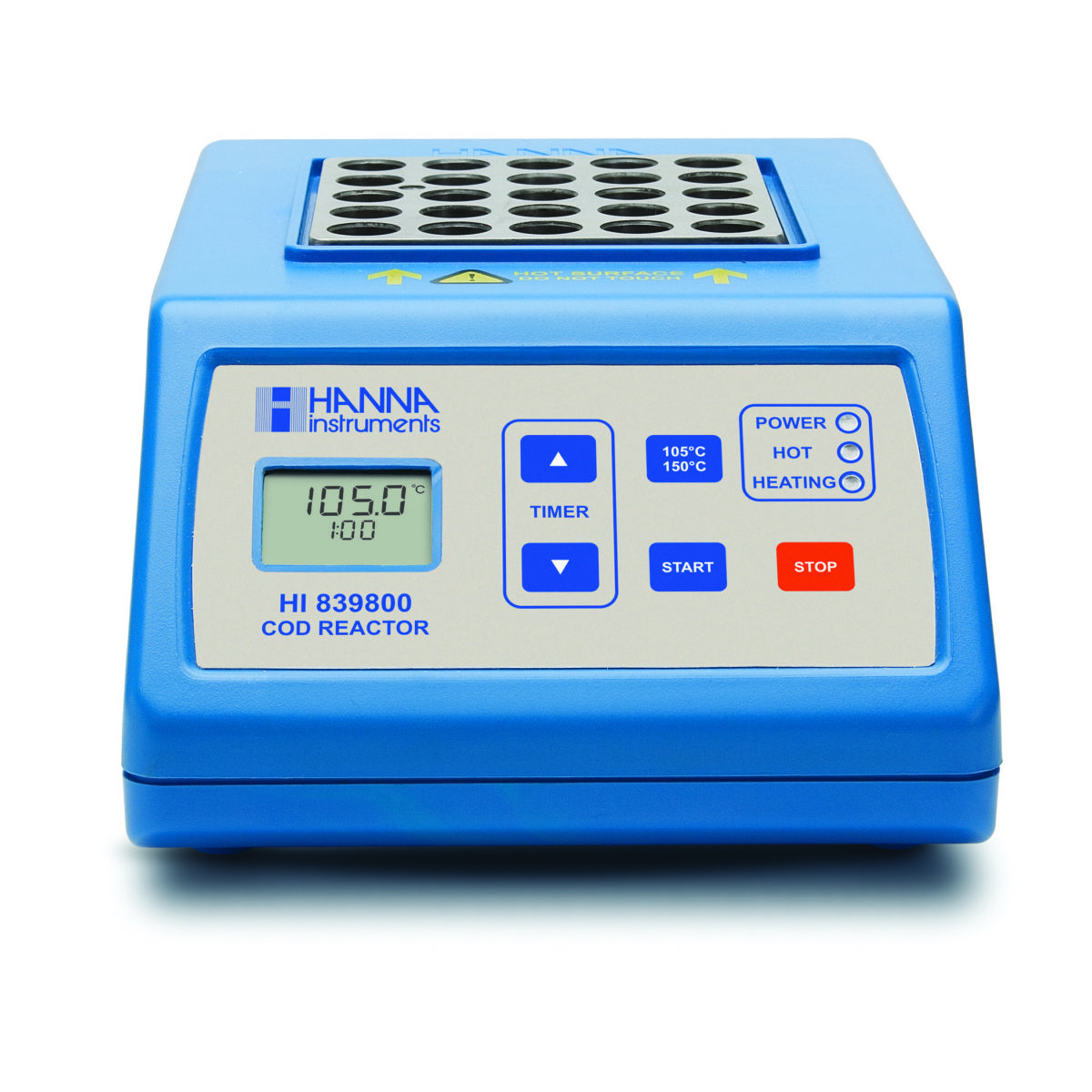
<p>The HI839800 COD Test Tube Heater features two predefined temperature profiles: 150ºC and 105ºC. Digestions for chemical oxygen (COD) and total phosphorus are conducted at 150ºC, while total ...
Details The Checktemp Dip Digital Thermometer is a high-accuracy NTC thermistor thermometer connected to a weighted, stainless steel probe by a 3 m (9.9’) flexible, silicone cable. The weighted, stain...
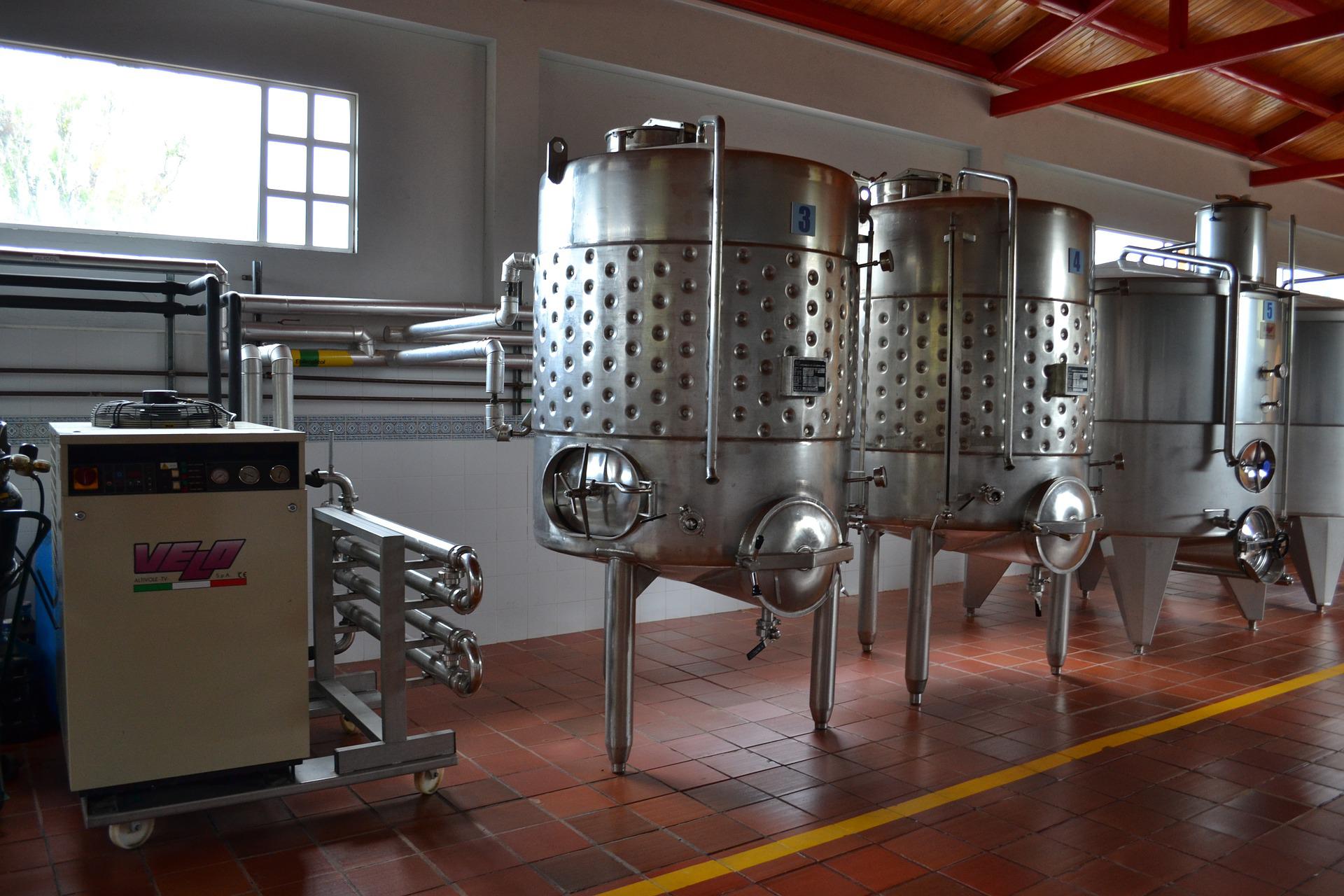
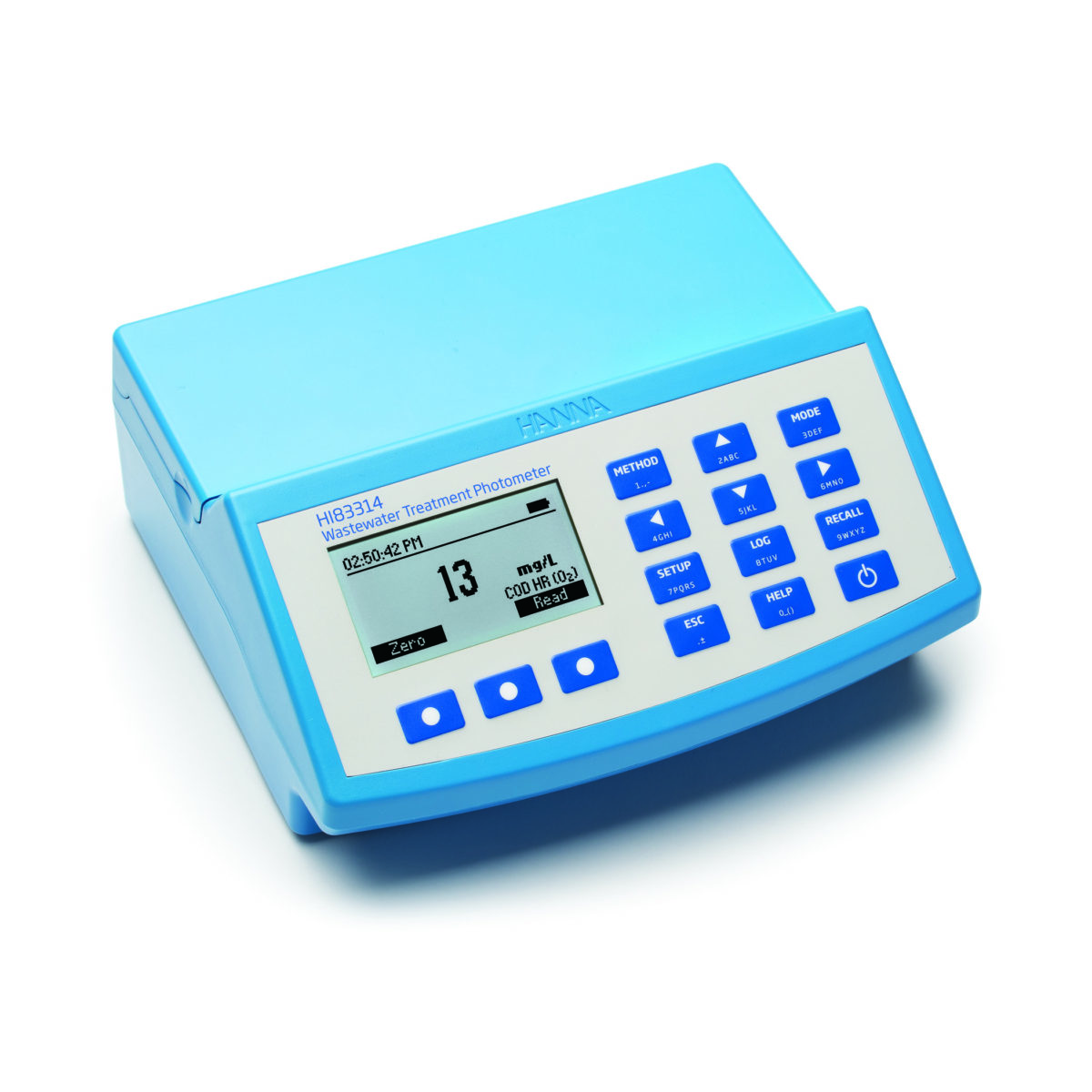
In wine production, water is a critical resource used throughout the entire winemaking process from vineyard to bottle – for irrigation, temperature control, cleaning, hygiene, sterilization, and filter rinsing.
Winery wastewater may include unused grapes and juice, winemaking residues such as alcohol and sugars, as well as chemicals like cleaning agents. Winery wastewater contains inorganic salts, organic compounds, yeast, and bacteria.
The most important parameters:
Total dissolved solids (TDS)
Nutrients such as nitrogen and phosphorus (N, P)
Dissolved oxygen content (DO)
Chlorine
Need expert guidance?
Fill out the form below to connect with our specialists and receive tailored advice for your specific needs. Let us help you find the best solutions to elevate your work!
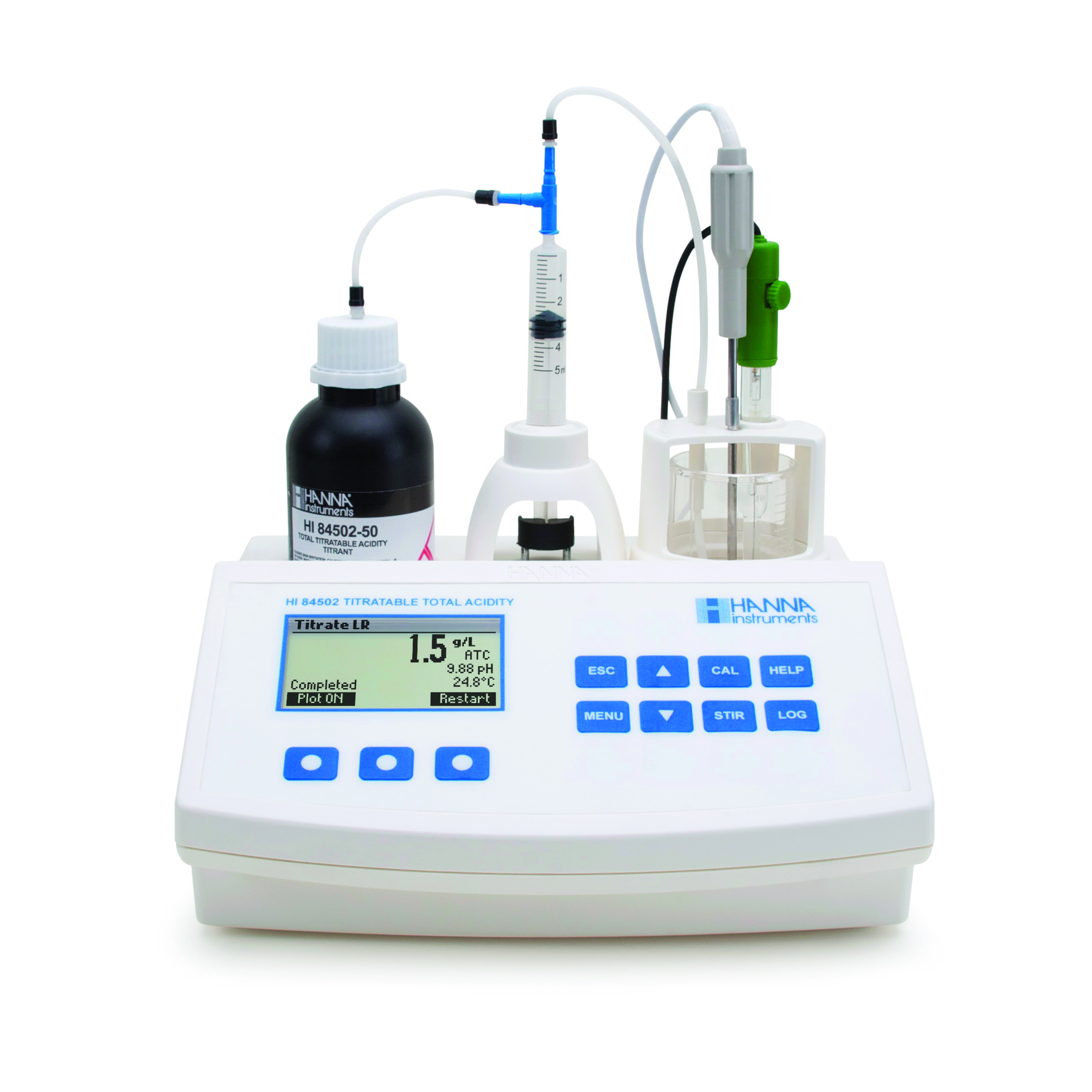
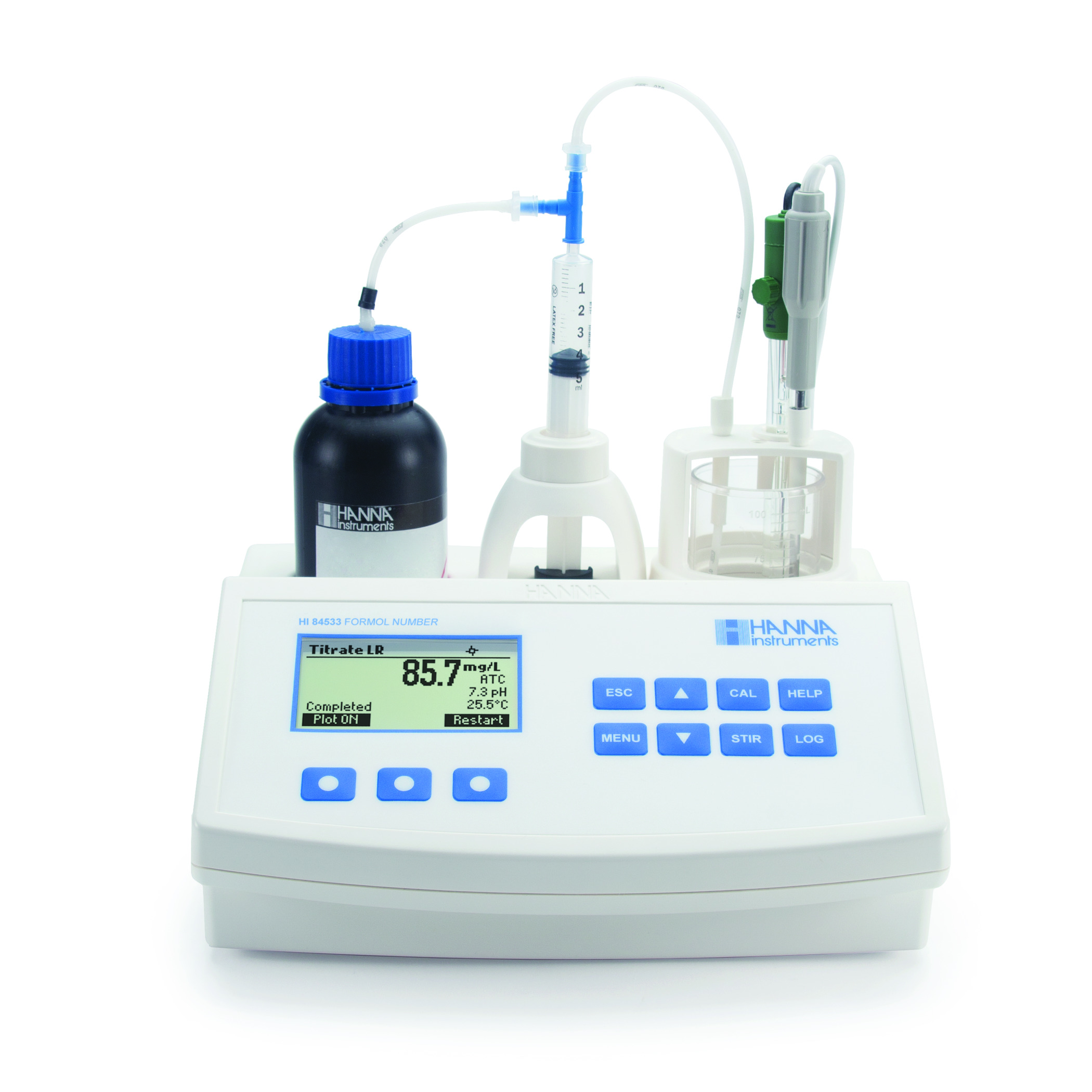
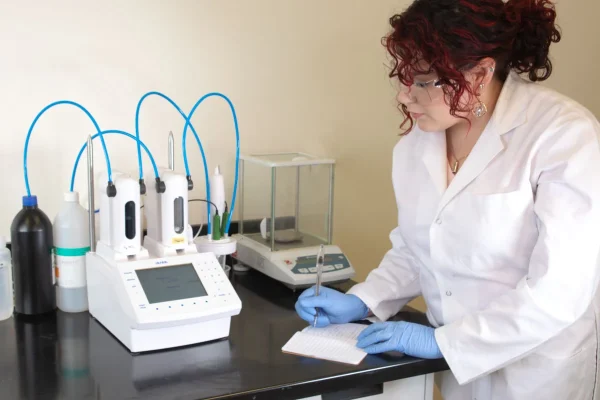
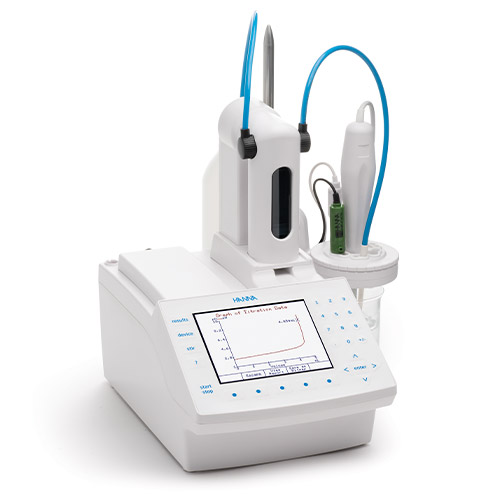
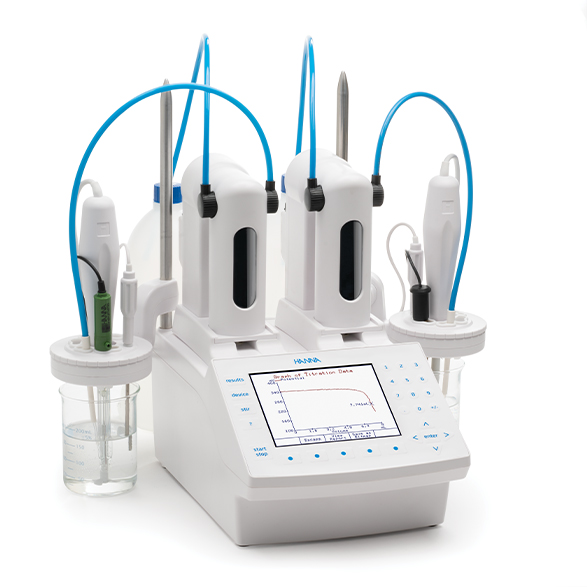
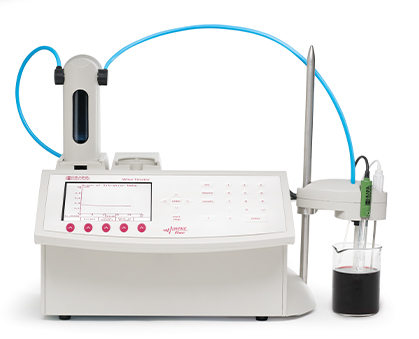
Perform all important titrations with a single device!
| Cookie | Duration | Description |
|---|---|---|
| cookielawinfo-checbox-analytics | 11 months | This cookie is set by GDPR Cookie Consent plugin. The cookie is used to store the user consent for the cookies in the category "Analytics". |
| cookielawinfo-checbox-functional | 11 months | The cookie is set by GDPR cookie consent to record the user consent for the cookies in the category "Functional". |
| cookielawinfo-checbox-others | 11 months | This cookie is set by GDPR Cookie Consent plugin. The cookie is used to store the user consent for the cookies in the category "Other. |
| cookielawinfo-checkbox-advertisement | 1 year | The cookie is set by GDPR cookie consent to record the user consent for the cookies in the category "Advertisement". |
| cookielawinfo-checkbox-necessary | 11 months | This cookie is set by GDPR Cookie Consent plugin. The cookies is used to store the user consent for the cookies in the category "Necessary". |
| cookielawinfo-checkbox-performance | 11 months | This cookie is set by GDPR Cookie Consent plugin. The cookie is used to store the user consent for the cookies in the category "Performance". |
| viewed_cookie_policy | 11 months | The cookie is set by the GDPR Cookie Consent plugin and is used to store whether or not user has consented to the use of cookies. It does not store any personal data. |
| Cookie | Duration | Description |
|---|---|---|
| stl_script | 3 months | No description |